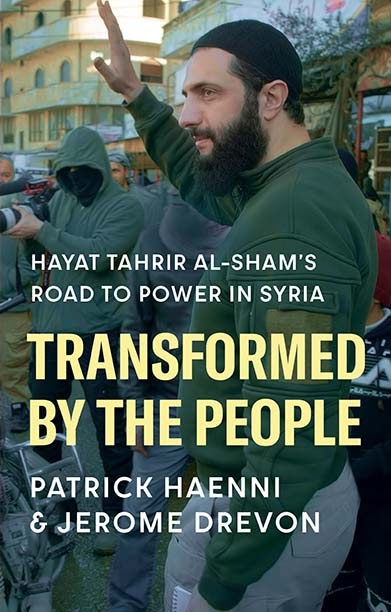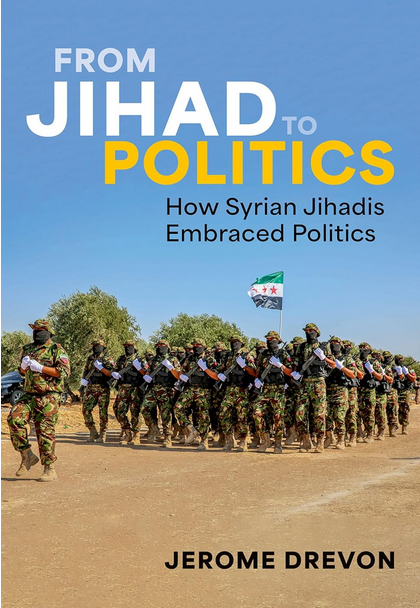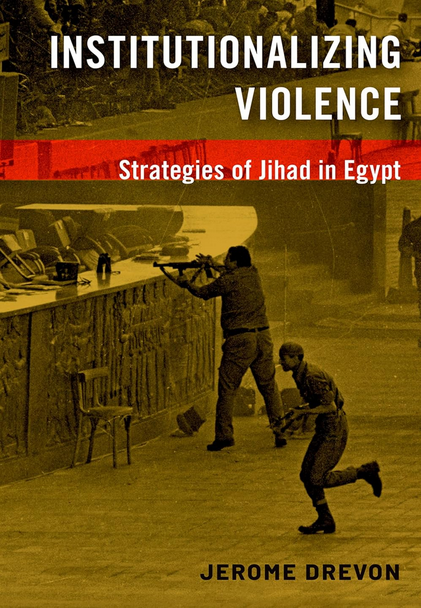
Dr. Jérôme Drevon
I am research associate at the Graduate Institute of International and Development Studies (IHEID) (Centre on Conflict, Development & Peacebuilding (CCDP)). I study armed groups' organisational transformation, including how insurgents emerge, institutionalise, and interact with their broader political environments.
I previously served as senior analyst on Jihad and Modern Conflict at the International Crisis Group (ICG) and advisor for Non-State Armed Groups at the International Committee of the Red Cross (ICRC).
Much of my empirical research analyses jihadis, including extensive fieldwork in conflict zones such as Syria. My field research has involved interviews with a wide range of actors, from armed groups' political and religious leaders to frontline fighters to provide a unique perspectives on organisational change in armed conflicts.
I hold a PhD from Durham University. I formerly held research fellowships at the Graduate Institute (IHEID), the University of Oxford (DPIR and the Blavatnik School of Government), and the University of Manchester's Mitchell Centre for Social Network Analysis.
I use very rich empirical cases in Egypt and Syria to explore broader questions about armed groups' trajectories, including how ideologically driven actors become more pragmatic, engage in governance, and seek political legitimacy.
Methodologically, my research combines extensive fieldwork and interviews with leaders and rank-and-file as much as rich primary sources. These empirical foundations inform the development of theoretical frameworks that travel beyond individual cases and contribute to wider debates in conflict studies.
Across my work, I reconceptualise armed groups not only as agents of violence but as institution-builders embedded within social relations and contested authority structures. This perspective highlights how organisational dynamics, strategic adaptation, and interaction with surrounding environments shape the evolution of armed actors as much as — or more than — ideology alone.
My research contributes to broader debates on organisational change in armed conflicts, including armed group alliances, institutionalisation processes, and the emergence of governance beyond the state.